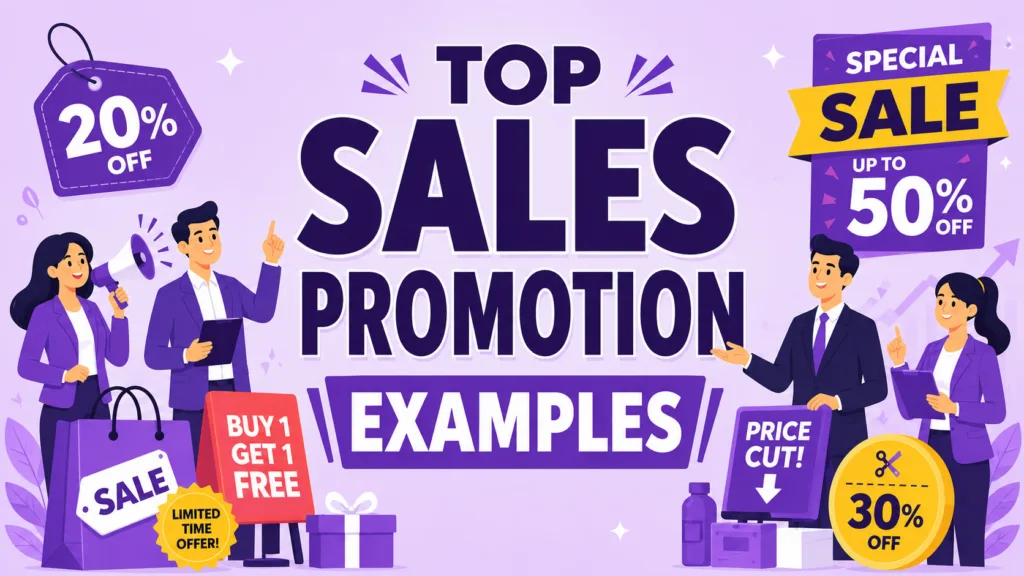
Quick summary: A sales promotion is a short-term incentive that drives immediate action, from coupons and BOGO deals to loyalty rewards and trade allowances. Promotions are split into two types: consumer promotions aimed at shoppers and trade promotions aimed at retailers and distributors. This guide covers real examples of both, plus techniques, small-business ideas, and how brands like Nike use them. Promotions win and reactivate customers, but support and retention are what keep them.
The best sales promotion examples share one trait: they give a customer a reason to act now rather than later. A coupon, a limited-time discount, a buy-one-get-one deal, each creates urgency and lowers the barrier to a purchase. The mechanics are simple, but the difference between a promotion that builds a business and one that quietly drains it comes down to how, and how often, it is used. Promotions are one of the most direct levers a business has on short-term sales, and their pull is well documented. The catch, which this guide comes back to at the end, is that a promotion is very good at winning a sale and does nothing on its own to keep the customer afterward.
The influence is real. About 83% of shoppers say coupons affect their purchasing decisions, and 67% have made an unplanned purchase because of one, per AffMaven. A sales promotion sits alongside the other three pieces of the marketing mix, product, price, and place, as a part of promotion built for immediate response rather than long-term brand-building. This guide works through consumer and trade promotion examples, techniques, a Nike breakdown, and small-business ideas, then covers the honest trade-offs and the one thing a promotion cannot do on its own. Start with what a sales promotion actually is.
What is sales promotion?
A sales promotion is a marketing tactic that offers a short-term incentive to encourage an immediate purchase. Unlike advertising, which builds awareness over time, a promotion is designed to trigger action now, usually by lowering price, adding value, or creating urgency. It is a push, not a slow build. Where a brand campaign might take months to change perception, a well-run promotion can move sales in a single day, which is exactly why finance and marketing teams reach for them when they need results fast.
Promotions fall into two broad types, and telling them apart is the first step to using them well. Consumer promotions target the end shopper directly, through coupons, discounts, samples, and loyalty rewards. Trade promotions target the retailers and distributors that stock a product, through allowances and incentives that get it onto shelves and promoted. The two are deeply linked: a brand often funds a trade promotion so a retailer can afford to run a consumer promotion, so the discount a shopper enjoys frequently began as a deal between the brand and the store. Both aim to move product faster, and most brands run the two together: a trade promotion gets a product prominently stocked, and a consumer promotion pulls it off the shelf. The consumer side is the one most people picture first.
Consumer sales promotion examples
Consumer promotions are aimed at shoppers, and they are the examples most people recognize from everyday shopping. Here are the core types, each with why it works and when to reach for it.
- Coupons and discounts. A percentage or dollar amount off, delivered by email, app, or code. The most common promotion and one of the most effective, because it is simple to understand and instantly lowers the price a shopper sees.
- Buy one, get one (BOGO). A free or discounted second item. It raises perceived value and moves volume quickly, and it often clears more stock than a straight discount of the same cost.
- Flash sales. A steep discount for a very short window. Urgency is the whole mechanism, since the fear of missing out pushes shoppers to decide fast rather than wander off to compare.
- Free samples and trials. A no-risk way to try a product, which lowers the barrier to a first purchase and works especially well for anything people hesitate to buy unseen.
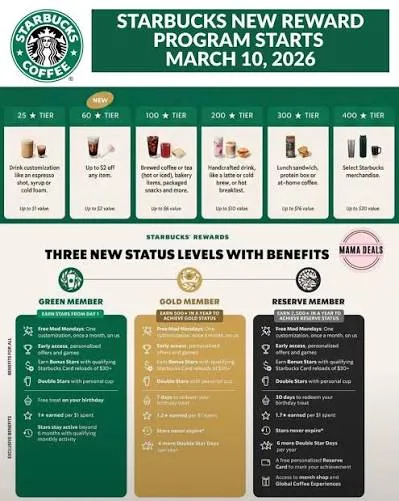
- Loyalty and rewards programs. Points or perks for repeat purchases, which turn a single sale into a habit and, over time, into a relationship worth far more than the first order.
- Contests and giveaways. A chance to win in exchange for engagement, which builds reach and a marketing list you can promote to long after the contest ends.
- Rebates and free shipping. Money back after purchase, or removing the single biggest cause of online cart abandonment. Free shipping in particular converts browsers who would otherwise stall at the final step.
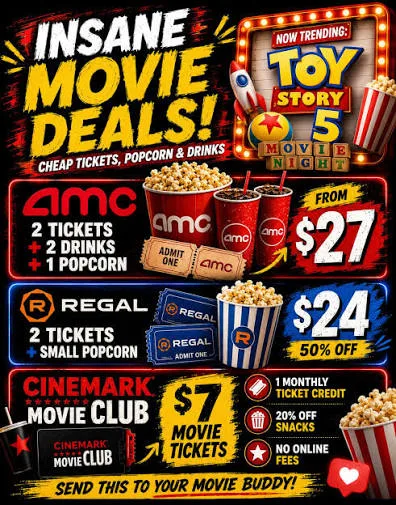
What ties these types together is that each removes a specific reason not to buy, whether that is price, risk, or hesitation. They work because discounts reliably move behavior. An estimated 169.2 million Americans redeemed digital coupons in 2025, and coupon users spend about 24% more than non-users, per Capital One Shopping and The Trust Agency. The pull scales with the offer: shoppers are roughly 2x more likely to buy at a 20% discount, and 70% can be nudged into an impulse purchase by a discount, per Capital One Shopping. That sensitivity is the reason promotions work so reliably, and also the reason they are easy to overdo: the same discount that wins a sale today can teach a shopper to wait for one tomorrow. Consumer promotions get products off shelves, but getting them onto shelves is a different job, and one that happens well before a shopper ever sees a coupon.
Turn a one-time promo buyer into a loyal customer, with Kayako.
Trade sales promotion examples
Trade promotions are aimed at the channel, the retailers, and distributors between a brand and its shoppers. They get a product stocked, displayed, and actively pushed, which is a precondition for any consumer promotion to work: a shopper cannot use a coupon on a product the store never carried.
- Trade allowances. A discount to retailers for buying in volume or promoting a product, often funding the temporary price cut that a shopper then sees at the register.
- Co-op advertising. The brand shares the cost of a retailer’s advertising in exchange for featuring its product.
- Dealer and sales incentives. Bonuses, sometimes called spiffs, reward a retailer’s staff for selling a particular product.
- Point-of-purchase displays. Branded stands and end-caps that win prime placement and catch the eye at the exact moment of decision, when a shopper is standing in front of the product.
- Slotting allowances. A fee paid to secure shelf space, especially for new products entering a store, where competition for a spot on the shelf is fierce.
Trade promotions are less visible to shoppers, but they decide whether a product is even available to buy, and how prominently it sits when they walk the aisle. A brilliant consumer promotion is wasted if the product never makes it to a good spot on the shelf. For consumer brands, winning the trade promotion is often the harder, more strategic half of the battle. Once the mechanics of both types are clear, they can be organized into a short set of techniques you can reach for by goal.
Sales promotion techniques
The examples above boil down to a handful of techniques, and the same tactic can serve very different goals depending on how it is framed. The useful way to hold them is by the goal each one serves, so you reach for the right tool for the job in front of you.
- To acquire new customers: first-purchase discounts, free trials, and referral offers that bring people in at low risk and give them a reason to try a brand they have never bought before.
- To increase order value: BOGO, bundles, and free shipping over a threshold, which lift the size of each purchase by nudging shoppers to add just one more item.
- To create urgency: flash sales, countdown timers, and limited-time offers that push a hesitant buyer to act now instead of leaving to think it over.
- To retain and reward: loyalty programs, member-only offers, and post-purchase coupons that turn one purchase into many and give a customer a reason to come back.
The numbers behind these are strong. BOGO deals can lift sales volume by about 30%, and welcome coupons for new email subscribers generate around 320% more revenue per email, according to The Trust Agency. Pairing promotions with cross-selling raises order value further, since a customer already in a buying frame of mind is the easiest one to sell a complementary item to. To see the techniques in action, it helps to look at a brand that runs them well.
Nike sales promotion examples
Nike is a useful case because it promotes without ever looking cheap. A premium brand cannot slash prices constantly without eroding the premium, so Nike leans on promotions that drive action while protecting perceived value. The tactics below are drawn from how Nike publicly operates, and the point is the approach rather than any specific figure.
- Member-exclusive offers. Nike reserves many of its best offers for members of its free program, which trades a discount for a long-term relationship and data.
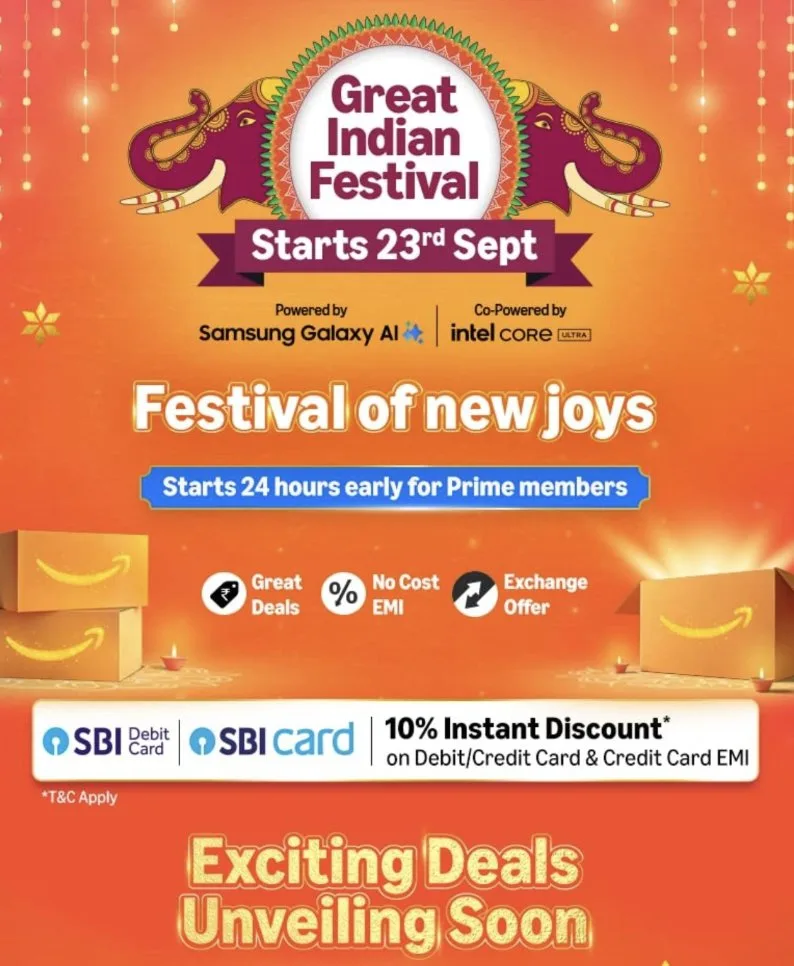
- App and SNKRS limited drops. Scarce, time-limited product releases through its apps create intense urgency and demand without any price cut at all, which is the opposite of a discount yet drives the same rush to buy.
- Seasonal and end-of-season sales. Clear-out promotions on past-season stock move inventory and free up space while keeping current, full-price lines untouched and protected.
- Student and targeted discounts. Ongoing discounts for specific groups, like students, acquire valuable younger customers at the start of their careers without discounting for everyone.
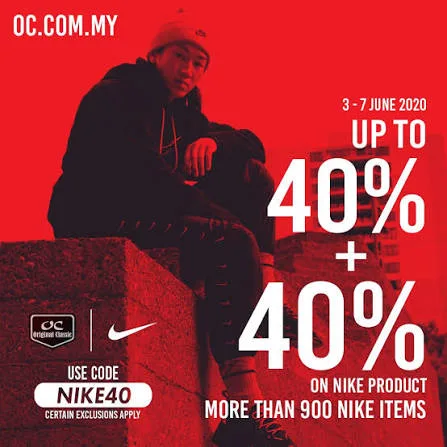
Nike also shows the value of tying promotions to a membership program, since every offer claimed deepens a relationship and generates data that makes the next offer smarter. The broader lesson from Nike is that a promotion does not have to mean a race to the lowest price. Scarcity, membership, and targeting can drive action while protecting the brand, and often build desire rather than spending it. Any business can borrow the principle even if it cannot match the scale, by reserving its best offers for members, using genuine scarcity, or targeting a specific group rather than discounting for everyone. Smaller businesses can apply the same thinking on a smaller budget.
Sales promotion examples for small businesses
Small businesses do not need a big budget to promote well, and in some ways, they have an advantage: closer relationships with customers make word-of-mouth tactics far more powerful. The most effective tactics are low-cost and high-trust.
- Referral offers. Reward existing customers for bringing in friends. Referred customers are among the most valuable you can win, because they arrive already trusting the recommendation of someone they know.
- Loyalty punch cards. A simple, cheap way to turn first-time buyers into regulars, and a physical reminder in a wallet that keeps the business top of mind.
- Email-only discounts. Offers reserved for subscribers, which build a list you own and can market to for free, unlike paid channels you rent.
- Local bundles and flash sales. Time-limited deals that create urgency and clear slow-moving stock, easy to run through email or proactive chat.
Referral and loyalty tactics also cost almost nothing to run compared with paid acquisition. Referral promotions are especially strong for small budgets: referred customers buy 3 to 5x more often and return at a 37% higher rate, per Capital One Shopping. Whatever the size of the business, promotions come with trade-offs worth weighing honestly.
Pros and cons of sales promotion
Promotions are powerful, but they are not free money, and the fact that they work is exactly what makes them easy to overuse. Used well, they drive growth; used carelessly, they erode both margin and brand, and the damage can outlast the short-term sales bump.
The pros. Promotions drive immediate sales, attract new customers, clear excess inventory, and reactivate lapsed buyers who had drifted away. They are one of the fastest ways to move the top line in a given month, which is why they are a staple of any quarter that needs a boost.
The cons. Discounts cut into margin, and frequent promotions can train customers to wait for the next deal and never pay full price, a habit that is hard to reverse once it sets in. Over time, heavy discounting can cheapen how a brand is perceived, turning a premium product into one shoppers will only buy on sale. The strongest promotional strategies protect the brand even as they drive short-term action.
The details matter more than they seem. Research in the Journal of Consumer Behaviour shows how carefully promotion dynamics play out, and even the exact number matters, since psychology plays a role most marketers underestimate: a precise discount like 6.8% can outperform a rounded 7%, per Accounting for Everyone. The biggest risk of all, though, is winning a customer with a promotion and then losing them, which is where the real money leaks.
After the promotion: keeping the customer
A promotion is very good at one thing: getting a customer to buy once. It does nothing to make them buy again. That job belongs to the product and the support behind it, and it is where most of the long-term value actually sits, since a loyal customer buys many times over while a promotion buys a single transaction. Reactivating a lapsed customer with an offer is 5 to 25x cheaper than acquiring a new one, and personalized rewards can lift lifetime value by about 30%, per The Trust Agency. Those numbers make the case plainly: the cheapest customer to sell to is one you already have and have kept happy.
This is the honest, secondary place a support platform like Kayako fits in a promotions conversation. It runs no campaigns and offers no coupons, but it protects the value of every customer a promotion wins, by resolving their questions fast, so a discount-driven first purchase becomes a lasting one. That is what turns promotion spend into real customer lifetime value, and it is why improving retention and lowering customer churn matter as much as the promotion itself. A business that promotes hard but supports poorly simply rents customers rather than keeping them, paying again and again through discounts to win back people it never truly kept. The promotion and the support work best as a pair: one opens the relationship, the other sustains it.
Sales promotions come in two families: consumer promotions like coupons, BOGO, and loyalty rewards that target shoppers, and trade promotions like allowances and co-op advertising that target the retailers in between. The strongest examples, from Nike’s member-only drops to a small shop’s referral offer, create action without training customers to expect a permanent discount.
Used well, promotions are one of the fastest ways to drive sales, attract customers, and clear stock. Used carelessly, they erode margin and brand and train customers to expect a permanent discount. The difference is strategy: promote with a clear goal and a plan to keep the customers you win. And whichever promotion wins the customer, the same truth applies as in any sale: the promotion opens the door, but fast, reliable support is what keeps the customer inside. Get the promotion right to win the sale, and get the experience right to win the relationship, and a short-term incentive turns into long-term growth.
Frequently asked questions
What is sales promotion, with examples?
A sales promotion is a short-term incentive designed to drive an immediate purchase. Common examples include coupons and discounts, buy-one-get-one deals, flash sales, free samples, loyalty programs, and contests on the consumer side, plus trade allowances and co-op advertising aimed at retailers. Unlike advertising, which builds awareness over time, a promotion is built to trigger action now by lowering price, adding value, or creating urgency.
What are the two main types of sales promotion?
The two main types are consumer promotions and trade promotions. Consumer promotions target the end shopper directly, through tactics like coupons, discounts, BOGO deals, samples, and loyalty rewards. Trade promotions target the retailers and distributors that stock a product, through allowances, co-op advertising, dealer incentives, and shelf-space fees. Consumer promotions move products off shelves, while trade promotions get them onto shelves in the first place, so most brands use both together.
What are examples of consumer sales promotions?
Consumer sales promotions include coupons and discounts, buy-one-get-one deals, flash sales, free samples and trials, loyalty and rewards programs, contests and giveaways, rebates, and free shipping. Each works by lowering the barrier to a purchase or creating urgency. Coupons and discounts are the most common and among the most effective, since about 83% of shoppers say coupons influence their buying decisions, and coupon users tend to spend more than non-users.
What are trade sales promotion examples?
Trade sales promotions are aimed at retailers and distributors rather than shoppers. Examples include trade allowances, which discount bulk or promotional buys; co-op advertising, where the brand shares a retailer’s advertising cost; dealer and sales incentives that reward staff for selling a product; point-of-purchase displays that win prime placement; and slotting allowances that secure shelf space for new products. They are less visible to consumers but determine whether a product is stocked and promoted.
What are good sales promotion ideas for a small business?
Small businesses do best with low-cost, high-trust promotions: referral offers that reward customers for bringing in friends, loyalty punch cards that encourage repeat visits, email-only discounts that build a list you own, and time-limited local bundles or flash sales that create urgency. Referral promotions are especially effective, since referred customers tend to buy more often and stay longer. The key is choosing tactics that build relationships rather than simply training customers to wait for the next discount, since a small business lives on repeat custom and word of mouth more than on one-off transactions.